If you have been searching for depression treatment in the Bay Area, you have probably noticed that the options have not changed much in decades: medication, talk therapy, or both. They help many people. They also leave a lot of people partway better, dealing with side effects, or waiting months for an appointment. Transcranial direct current stimulation, or tDCS, is a different kind of tool, and in December 2025 the FDA approved the first tDCS device you can use at home for depression. Here is what it is, what the evidence says, and how we use it at Mind Body Treatment in Oakland and Santa Rosa.
What is tDCS?
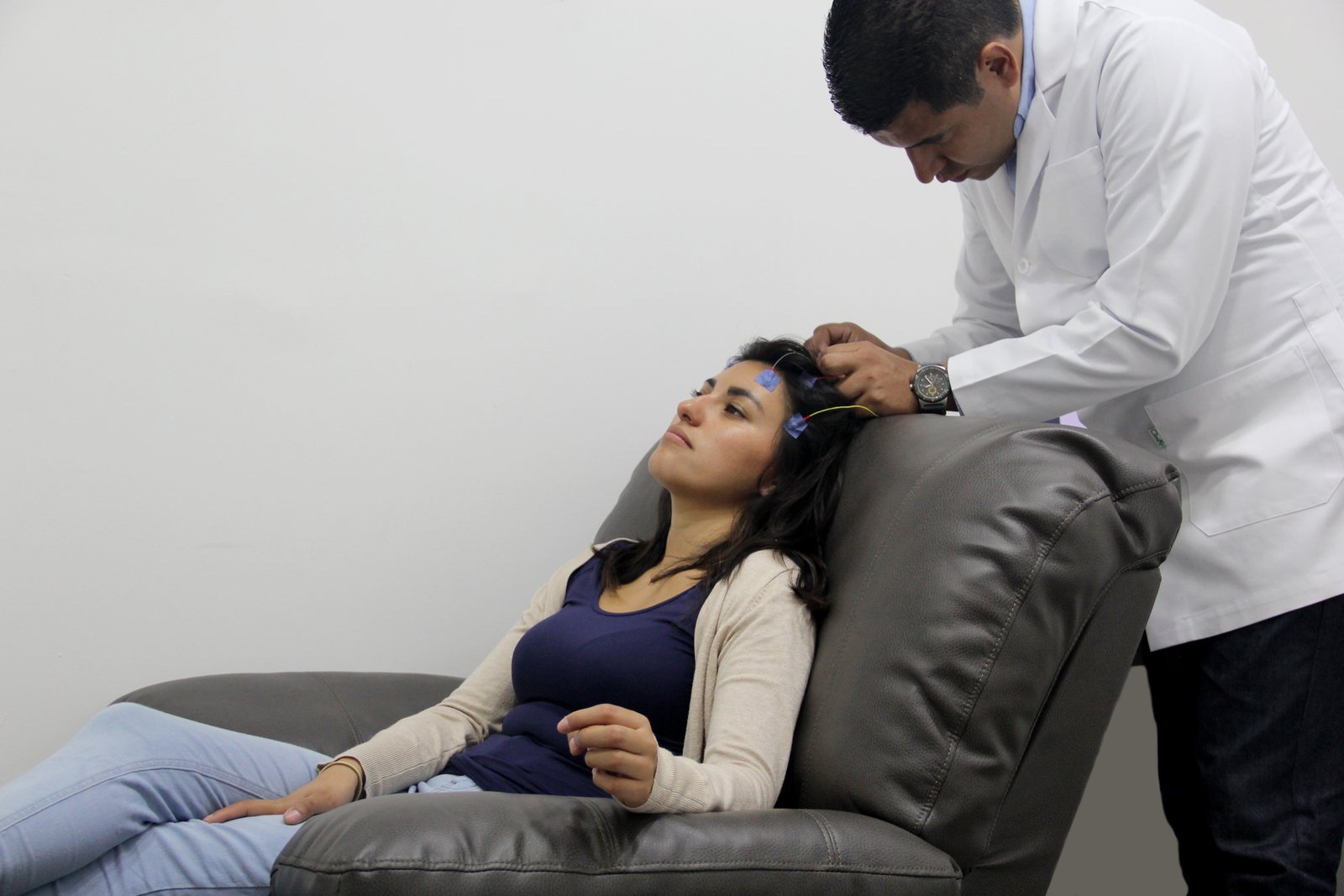
tDCS passes a very small, steady electrical current through the scalp, usually around 2 milliamps, which is less than a thousandth of what a light bulb draws. Two soft electrodes sit on the forehead. The current is far too weak to make neurons fire on its own. Instead it nudges them: under one electrode the brain cells become slightly easier to activate, under the other slightly harder. Over repeated sessions that nudge adds up, and the brain's own learning machinery, the same neuroplasticity that lets you pick up a new skill, strengthens the circuits you have been stimulating.
For depression the target is the left dorsolateral prefrontal cortex, a region just above and behind the left side of your forehead. It is part of the brain's control network for mood, motivation, and attention, and in depression it is reliably underactive. Transcranial magnetic stimulation (TMS) aims at the same spot. The difference is that TMS needs a large machine and daily clinic visits, while tDCS fits in a headband.
Does tDCS help depression? What the research shows
tDCS has been studied for depression for more than twenty years, and the honest summary is that results were mixed for a long time. Early trials used different doses, different numbers of sessions, and different electrode positions, so some worked and some did not. As the protocols were standardized the picture sharpened.
The study that changed the conversation was the EMPOWER trial, published in Nature Medicine in 2024. It was fully remote: 174 adults with moderate to severe major depression used a tDCS headset at home for ten weeks, five sessions a week for three weeks and then three a week, 30 minutes each. Half received real stimulation and half a sham headset that felt the same but delivered no treatment current. Neither patients nor researchers knew who had which. At ten weeks, 58% of the active group had responded (their depression scores fell by at least half) compared with 38% in the sham group, and remission rates were roughly double. Side effects were mild: tingling and some redness on the skin under the electrodes.
- What tDCS is good at. Gradual, cumulative improvement in mood, energy, and concentration over several weeks, with very few side effects and no interaction with medication.
- What it is not. It is not instant, and it is not for everyone. People who have not responded to several antidepressants are a harder group, and the current FDA approval is for people who are not treatment resistant.
- Where it fits. On its own for people who want to avoid or cannot tolerate medication, or added to medication and psychotherapy when those have only taken someone partway.
The Flow headset and the FDA approval
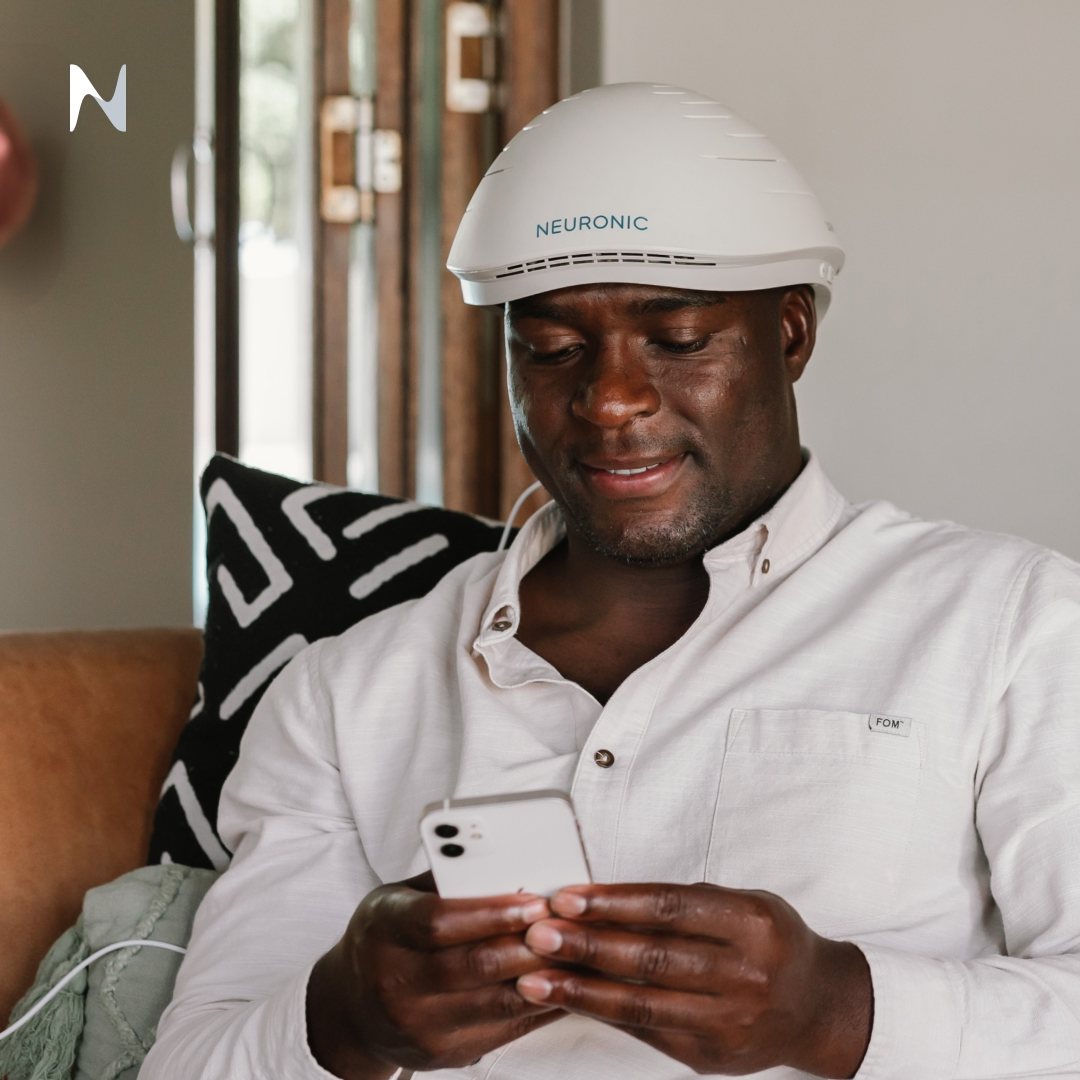
Flow Neuroscience, the Swedish company behind the EMPOWER trial, received FDA premarket approval for its FL-100 headset in December 2025 and launched it in the United States in September 2026. It is the first tDCS device the FDA has approved, and the first brain stimulation treatment for depression that is designed to be used entirely at home. It is approved for adults with a current episode of moderate to severe major depressive disorder, either as a standalone treatment or alongside antidepressants and therapy.
A few things are worth knowing. In the US the device is prescription only, so a clinician has to evaluate you first. The headset pairs with an app that times each 30 minute session, controls the current, blocks overuse, and records your mood ratings so the prescriber can see how you are doing. The treatment schedule is the one from the trial: five sessions a week for the first three weeks, then three a week. Most people notice the first shift somewhere in weeks two to four, and the benefit keeps building after that.
How treatment at home actually works
A session looks like this. You wet the electrode sponges, put the headband on so the pads sit high on the forehead, and start the session in the app. For the first minute or so the current ramps up and you feel a mild tingling or itch that fades as your skin adjusts. Then you do something quiet for half an hour: read, stretch, answer email, sit with your coffee. The app ramps the current down and the session ends. There is no recovery time and nothing to feel afterward. Many of our patients do it first thing in the morning before work.
The reason at-home treatment matters is consistency. The brain changes with repetition, and a treatment that requires driving to a clinic five days a week is a treatment many people will not finish. Done at home, twenty sessions is a routine rather than a project.
Beyond depression: anxiety, sleep, and stress
Depression rarely travels alone. Most of the people who come to us for depression treatment also describe anxiety, trouble sleeping, or a nervous system that feels stuck in high gear from chronic stress. The same prefrontal circuits that regulate mood also help regulate worry and the stress response, so it is not surprising that trials of tDCS for depression often report improvements in anxiety as well.
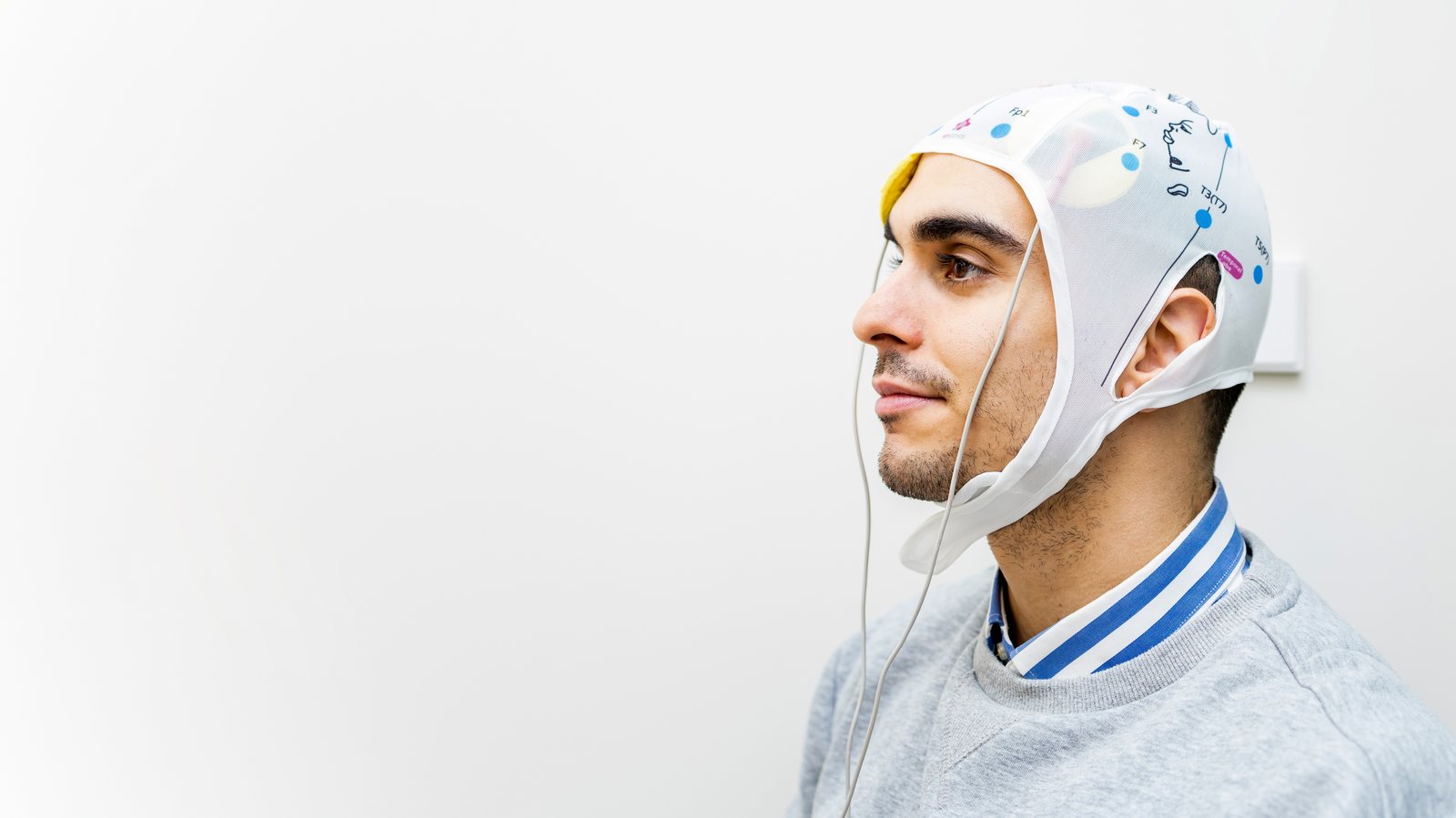
The evidence for tDCS as a direct treatment for anxiety disorders, insomnia, and stress is younger and less consistent than it is for depression. Reviews pooling the available trials find modest benefits for anxiety symptoms, and small studies suggest that stimulating prefrontal regions can improve sleep quality in people with insomnia, but the protocols vary and larger trials are still needed. This is where a brain map earns its keep. A qEEG shows us which networks are overactive or underactive in your particular brain, so when anxiety or sleep is the main problem we can choose electrode placements for that pattern rather than guessing. For some people the right target is not the standard depression site at all.
tDCS at Mind Body Treatment
We have offered tDCS in our Oakland and Santa Rosa offices for years, always guided by a qEEG brain map and always as part of a plan that may include neurofeedback, HRV biofeedback, and coordination with your therapist or prescriber. For patients who want the convenience of treatment at home, our NeuroBloom program provides a supervised at-home tDCS course: a brain map first, an individualized protocol, a device you use on your own schedule, and regular check-ins so the plan can be adjusted as you improve.
If you are weighing options for depression, anxiety, sleep, or stress and want to know whether brain stimulation is a reasonable fit for you, a consultation is a conversation, not a commitment. We will look at your history, talk through the evidence, and tell you plainly what we think will help.
References
- Woodham RD, Selvaraj S, Lajmi N, et al. Home-based transcranial direct current stimulation treatment for major depressive disorder: a fully remote phase 2 randomized sham-controlled trial. Nature Medicine. 2024.
- U.S. Food and Drug Administration. Premarket approval P230024, Flow FL-100. December 2025.
- Flow Neuroscience. FL-100 US launch announcement, September 2026. flowneuroscience.com/evidence
- Evaluating the effects of tDCS on depressive and anxiety symptoms from a transdiagnostic perspective: a systematic review and meta-analysis of randomized controlled trials. Translational Psychiatry. 2024.

Clinical neuropsychologist. Board certified in neurofeedback. Specialist in the places where mind and body meet.
About Dr. Damian →